
Gnosticism in modern times refers to three distinct phenomena: (1) the academic rediscovery of ancient Gnosticism through the Nag Hammadi Library (1945) and the subsequent transformation of scholarly understanding of early Christianity; (2) the influence of Gnostic ideas on modern Western thought — particularly through Carl Jung and depth psychology; and (3) contemporary neo-Gnostic movements and communities that draw on ancient Gnostic traditions as living spiritual practice.
The Nag Hammadi Revolution (1945–present)
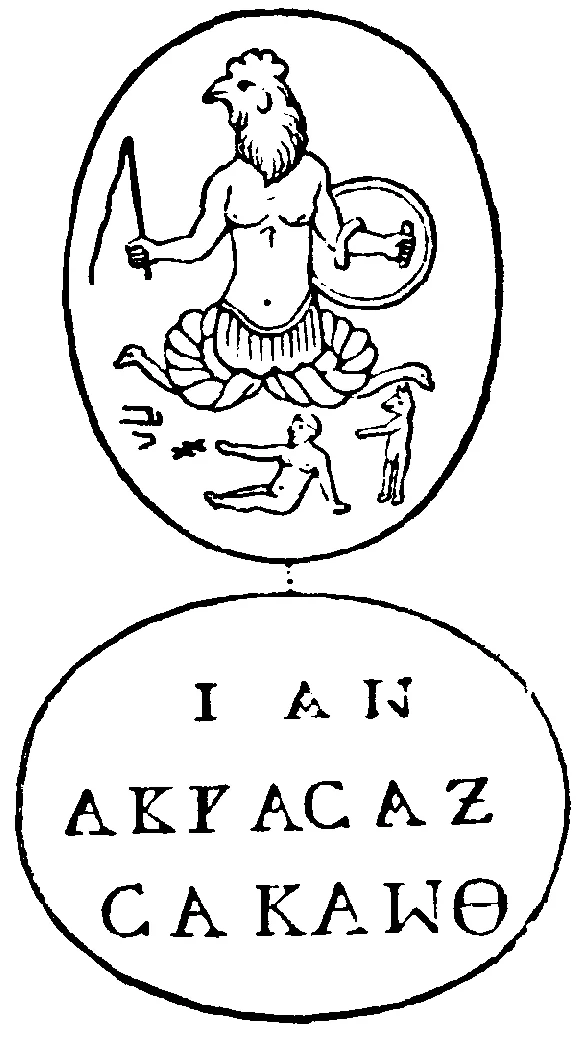
Before 1945, Gnosticism was known primarily through its enemies — the Church Fathers who wrote against it. The discovery of the Nag Hammadi Library in December 1945 changed everything. Fifty-two texts, including 41 never previously known, gave scholars direct access to what Gnostics actually believed, rather than what their opponents said they believed.
The public became aware of this transformation through Elaine Pagels's The Gnostic Gospels (1979) — a Pulitzer Prize finalist that argued early Christianity was far more diverse than the orthodox account admitted, and that the Gnostic gospels represented a suppressed form of Christianity that deserved to be heard. The book became a bestseller and introduced millions of people to the Nag Hammadi texts. Bart Ehrman's Lost Christianities (2003) continued this argument for a popular audience.
The scholarly impact has been equally profound. Karen L. King's What Is Gnosticism? (2003) questioned whether "Gnosticism" is a coherent category at all — arguing it was partly a construct of the Church's heresiological project and partly a modern scholarly invention. This has led to a productive debate about how to describe these ancient traditions without imposing later categories on them.
Carl Jung and the Gnostic Legacy
The most intellectually significant modern engagement with Gnosticism was Carl Jung's. From his Seven Sermons to the Dead (1916) through Aion (1951) and Answer to Job (1952), Jung treated Gnostic mythology as a symbolic map of the unconscious — a pre-scientific language for the processes of individuation, shadow integration, and the Self. His adoption of Gnostic terms (Pleroma, Abraxas, Sophia) gave them currency in 20th-century intellectual culture far beyond academic theology. See our full article on Gnosticism and Carl Jung.
Neo-Gnostic Movements
Several contemporary spiritual movements draw directly on Gnostic tradition as a living practice:
Ecclesia Gnostica — founded by Stephan Hoeller in Los Angeles in the 1950s (formal establishment 1977), the Ecclesia Gnostica is an independent Gnostic church in the apostolic succession that celebrates Gnostic rituals and sacraments in a liturgical Christian framework. Hoeller is a Jungian interpreter of Gnosticism and has written extensively on the tradition. Communities exist in several US cities.
The Gnostic tradition of Samael Aun Weor — a large international movement founded by the Colombian mystic Samael Aun Weor (1917–1977), which blends Gnostic cosmology with Kabbalah, Tantric practices, and Theosophical elements. It operates through study centres ("Gnostic Lumisials") in dozens of countries, particularly in Latin America. This tradition has little historical continuity with ancient Gnosticism but has introduced many people to Gnostic ideas through its courses.
Sophian Gnostic tradition — a smaller movement emphasising Sophia (divine wisdom) as the central mystical figure, drawing on both ancient Gnostic texts and Eastern Orthodox mysticism. Practitioners include contemplatives and scholars who engage with the Nag Hammadi texts as primary practice material.
Gnosticism in Popular Culture
Gnostic themes have entered popular culture through multiple channels. The Matrix trilogy (1999–2003) is the most widely discussed example — the premise that material reality is a simulated prison and that liberation comes through recognising the true nature of things is directly Gnostic. Philip K. Dick's late fiction (VALIS, 1981; The Divine Invasion, 1981) draws explicitly on Gnostic cosmology, with Dick describing a personal visionary experience he interpreted in Gnostic terms. Dan Brown's The Da Vinci Code (2003) popularised (and significantly distorted) the Gospel of Philip and Mary Magdalene traditions.
Gnosticism in Academic Theology
The contemporary academic study of Gnosticism is split between historians of religion, New Testament scholars, and early Christian specialists. Key ongoing debates include:
- Is "Gnosticism" a useful category, or should these texts be studied without the label?
- What is the relationship between Gnosticism and Second Temple Judaism?
- Were Gnostic communities egalitarian in their treatment of women?
- How did Gnostic Christianity understand itself in relation to "orthodox" Christianity?
Is there a modern Gnostic church?
Yes — the Ecclesia Gnostica (founded by Stephan Hoeller, Los Angeles) is the most established, operating as a formal church with liturgy, sacraments, and ordained clergy in the apostolic tradition. Several smaller Gnostic congregations exist worldwide. These are independent religious organisations, not connected to any mainstream Christian denomination.
Is The Matrix a Gnostic film?
The Matrix contains explicit Gnostic themes: the material world as a constructed prison (= Demiurge's creation), the divine spark (Neo's special nature), liberation through knowledge (the red pill = gnosis), and the Architect as a Demiurge figure. The Wachowskis have discussed their philosophical influences in several interviews. The film is widely used in academic courses on Gnosticism as a modern illustration of Gnostic cosmology — though it also draws on Buddhism, Baudrillard's simulacra theory, and cyberpunk aesthetics.